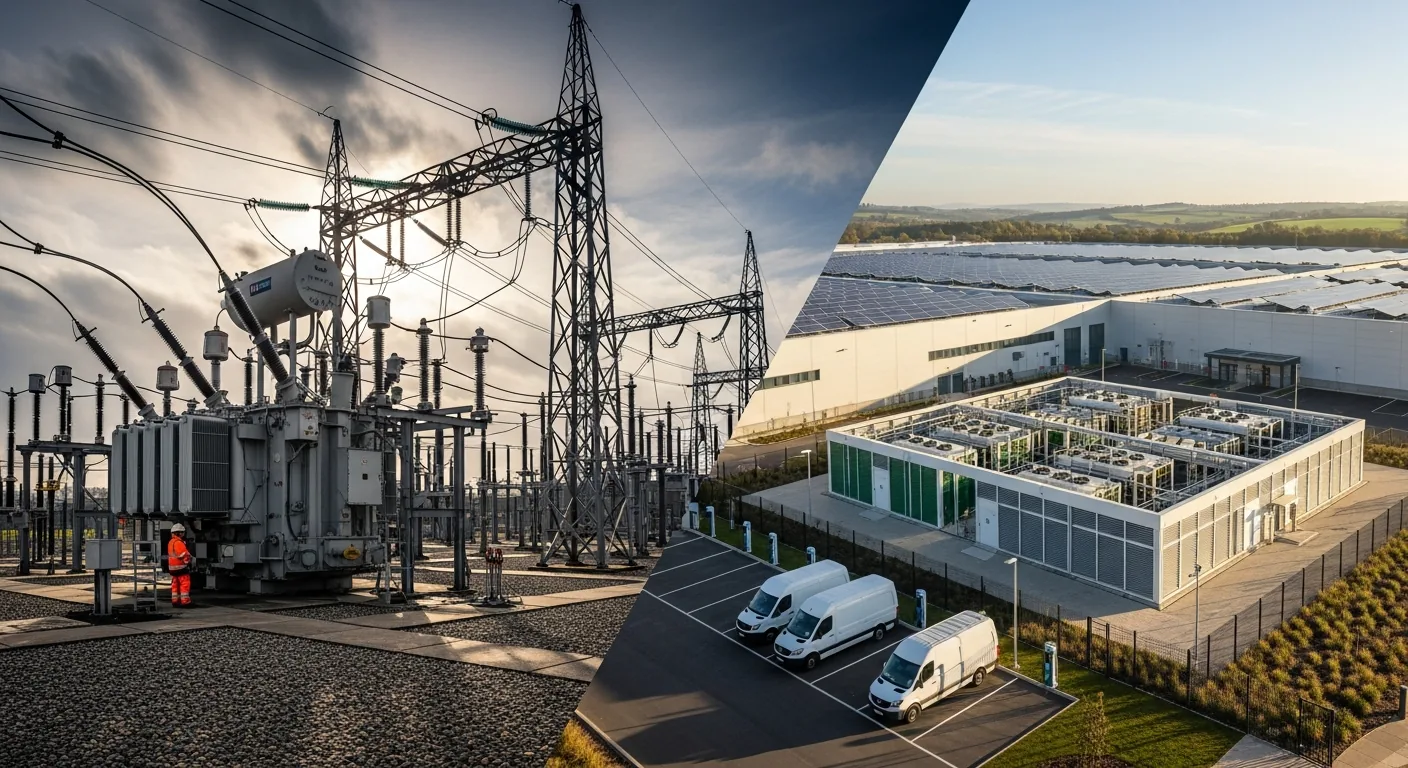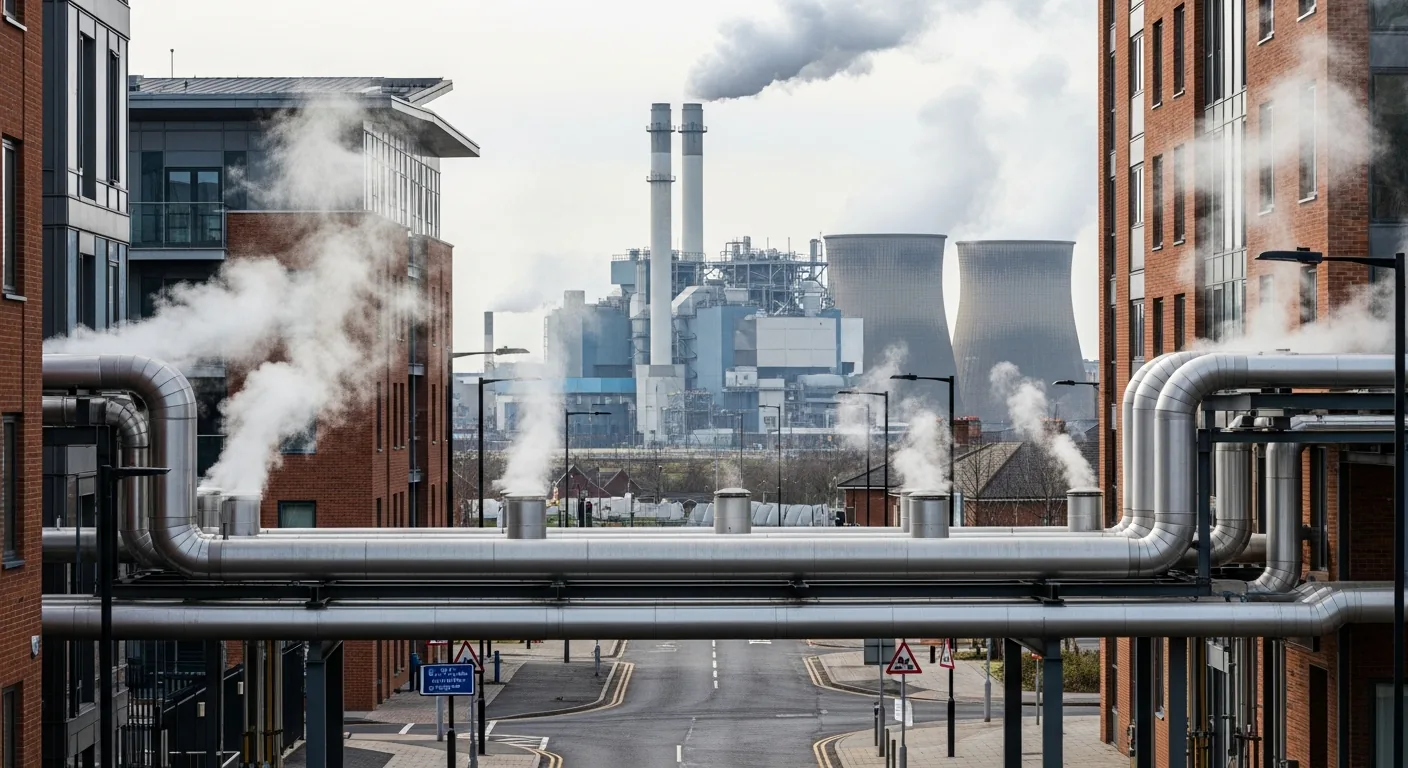
The UK energy conversation is obsessed with electricity. But half of all energy consumption is for heat — and most of it still comes from natural gas. District heat networks are the infrastructure solution that nobody talks about, but everyone will need.
The Scale of the Problem
UK buildings consume approximately 500 TWh of heat annually — 60% from natural gas, 25% from electricity, and 15% from other sources. Decarbonising this heat is essential to hitting net zero, but it's harder than decarbonising electricity because heat is harder to store, harder to transport, and harder to generate from renewables.
District heat networks solve this by centralising heat generation and distributing it via insulated pipe networks. A single heat source — a biomass boiler, heat pump, waste heat recovery plant, or geothermal well — can serve dozens or hundreds of buildings. The economies of scale make low-carbon heat affordable, and the network acts as a thermal battery, storing heat in hot water tanks for later use.
The UK Heat Network Pipeline
Heat Sources
Biomass, heat pumps, waste heat recovery, geothermal, CHP, solar thermal. The optimal mix depends on local resources and demand.
Network Efficiency
Modern insulated pipes lose 5–10% of heat over 1km. Thermal stores buffer peak demand. 4th-gen networks use 60°C water, not 90°C, reducing losses.
UK Targets
Government target: 18% of heat from networks by 2050 (up from 2% today). £320m Green Heat Network Fund active. 200+ projects in development.
The CCHP Connection
Combined cooling, heat, and power (CCHP) is the ideal heat source for district networks. A gas CHP engine generates electricity at 35–40% efficiency and captures waste heat at 45–50% efficiency, giving a total efficiency of 80–90%. The waste heat — at 80–120°C — is perfect for district heating. The electricity generated displaces grid imports, further improving economics.
For industrial estates, business parks, and mixed-use developments, a central CCHP plant serving a heat network is the optimal solution. The plant is sized for the aggregate heat demand, which is more efficient than individual boilers in each building. Maintenance is centralised, fuel purchasing is bulk, and carbon emissions are lower than gas boilers.
Waste Heat Recovery
The most exciting development in heat networks is waste heat recovery. Data centres, wastewater treatment plants, industrial processes, and power stations all produce waste heat that is currently dumped to the atmosphere. Capturing this heat and pumping it into a district network is essentially free energy.
A 10MW data centre produces 10MW of waste heat — enough to heat 5,000 homes. The only cost is the heat pump to raise the temperature from 30°C to 70°C, and the pipe network to distribute it. Several UK projects are already operating, including the Bunhill heat network in London, which recovers heat from the London Underground to heat 1,350 homes. The potential is enormous.
Commercial Viability
Heat networks are capital-intensive. The pipe network costs £1,500–£3,000 per connected property, and the central plant costs £500k–£5m depending on scale. But the revenue is long-term and predictable. Heat sales contracts are typically 20–25 years, with inflation-linked pricing. The return on investment is 8–12% — lower than solar but with lower risk and longer duration.
For developers of large estates, industrial parks, and mixed-use schemes, a heat network is increasingly a planning requirement. Local authorities are requiring low-carbon heat solutions as part of planning consent. The Green Heat Network Fund provides capital grants of 30–50% of project costs, making the economics attractive for qualifying schemes.