Power Purchase Agreements and energy-as-a-service contracts are removing the upfront capital barrier, making onsite generation accessible to more businesses than ever.
The Capital Barrier
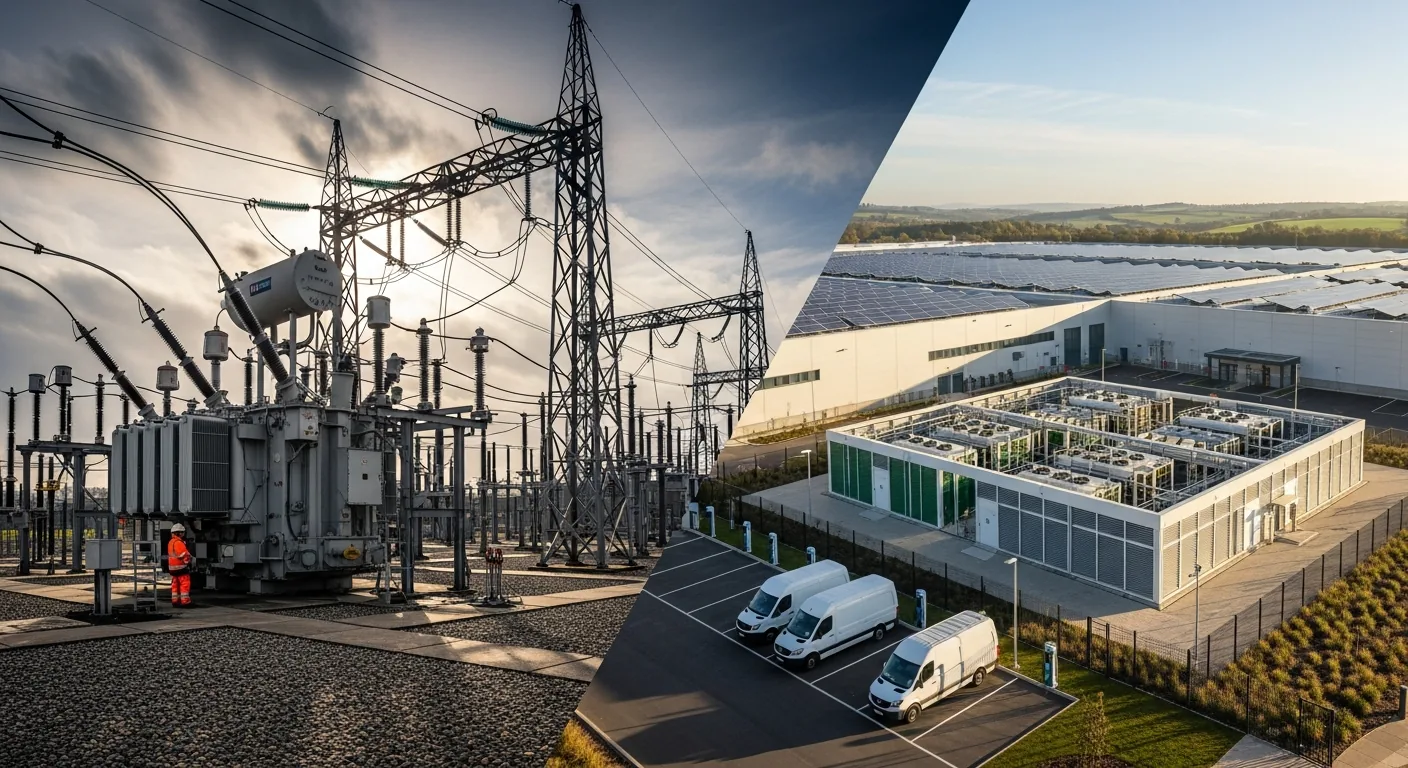
For many UK businesses, the biggest obstacle to onsite energy is not technology or space — it's capital. A 500kWp solar array with a 500kWh battery storage system costs £250,000–£350,000 installed. A 1MW CCHP unit costs £500,000–£800,000. For a business with a tight balance sheet or a focus on core operations, these capital requirements are prohibitive.
The result is that many high-demand sites continue to buy grid electricity at 25–30p/kWh, even though onsite generation could deliver power at 8–12p/kWh. The difference is not a lack of engineering knowledge — it's a lack of capital.
Model 1: Power Purchase Agreements (PPAs)
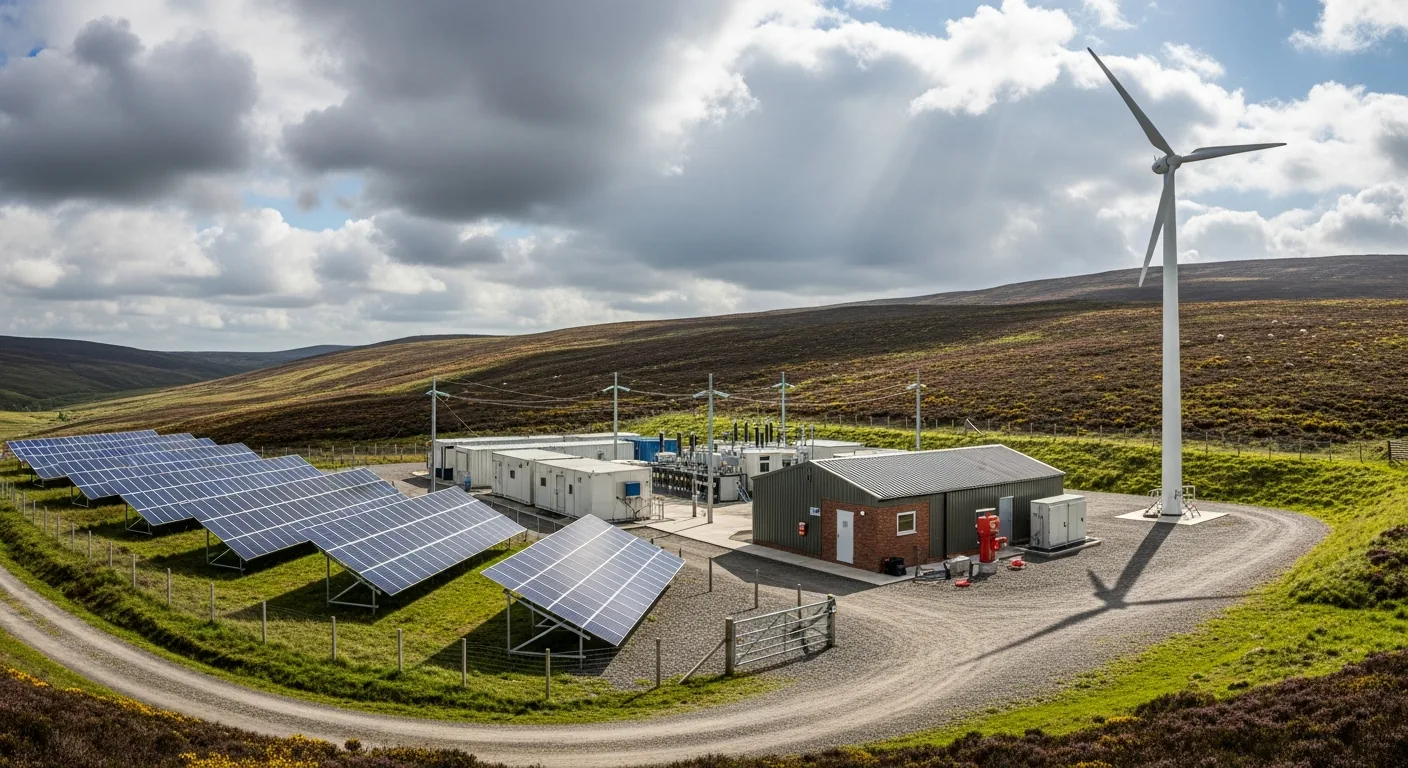
A Power Purchase Agreement is a contract between an energy developer and a site owner. The developer designs, installs, and maintains the onsite generation system at no cost to the site. The site owner then buys the electricity from the developer at a fixed rate — typically 30–40% below the grid price — for a contract term of 15–25 years.
At the end of the contract, the site owner takes ownership of the system for a nominal fee (£1). The developer's return comes from the spread between the installation cost and the cumulative revenue from the PPA rate. The site owner's benefit is immediate: zero upfront cost, a fixed electricity rate, and asset ownership at the end.
PPA Example: 500kWp Solar + 500kWh BESS
Site owner pays: Nothing upfront
PPA rate: 16p/kWh (vs. 28p/kWh grid)
Contract term: 20 years
Annual savings: £45,000
System ownership: Transferred at year 20 for £1
Post-contract savings: £90,000/year (full grid displacement)
20-year NPV: £1.1m
Model 2: Energy-as-a-Service (EaaS)
Energy-as-a-Service is a broader model that includes not just generation but also the full energy management service. The provider installs, operates, and maintains all onsite energy systems — solar, battery, CCHP, heat pumps, EV charging — and charges a monthly fee based on the site's energy consumption. The fee is typically structured as a per-kWh rate that is 20–30% below the grid price.
The key difference from a PPA is that EaaS includes the management layer. The provider optimises the system in real time, responds to grid signals, and ensures the site is always on the lowest-cost energy source. For a site with multiple technologies — solar, battery, and CCHP — this optimisation is critical. The EaaS provider uses machine learning to predict the site's demand and the grid price, and switches between sources accordingly.
Model 3: Lease Finance
For businesses with strong credit ratings, lease finance is a straightforward option. The business leases the energy system from a finance provider for 7–12 years, with monthly payments that are typically lower than the energy savings. The business owns the system at the end of the lease, and the payments are often tax-deductible.
The advantage of lease finance is simplicity. The business owns the system, controls the energy, and can sell excess power back to the grid. The disadvantage is that the business bears the maintenance and performance risk. If the system underperforms, the savings may not cover the lease payments.
Which Model Is Right for You?
PPA
Best for: Sites with predictable consumption and a single dominant technology (e.g., solar). No maintenance risk. Long-term rate certainty.
EaaS
Best for: Complex sites with multiple technologies. The provider handles optimisation and maintenance. Higher savings but less control.
Lease
Best for: Businesses with strong credit and in-house energy management. Full ownership and control. Higher risk, higher reward.
The Reality Check
Zero-CAPEX models are not a magic bullet. The developer or EaaS provider needs to make a return, and that return comes from the energy savings. The PPA rate or EaaS fee is always higher than the cost of buying the system outright. The trade-off is: you pay more per kWh over the contract term, but you pay nothing upfront.
For a business with a 10% cost of capital, the NPV of a PPA is often higher than the NPV of a capital purchase. The business avoids the upfront cash outflow, preserves credit lines, and benefits from the developer's maintenance expertise. The key is to model both scenarios and compare the NPV, not just the headline rate.
How We Can Help
Skyline DC Energy provides independent financial modelling for all three models. We analyse your site's consumption data, model the optimal technology mix, and then run the numbers for PPA, EaaS, and lease scenarios. The output is a clear comparison: total cost of ownership, NPV, and payback period for each model.
We are technology-agnostic and finance-agnostic. We do not sell any particular system or finance model. Our recommendation is based on your site's specific data, your financial constraints, and your risk appetite. The analysis is free and takes 48 hours.