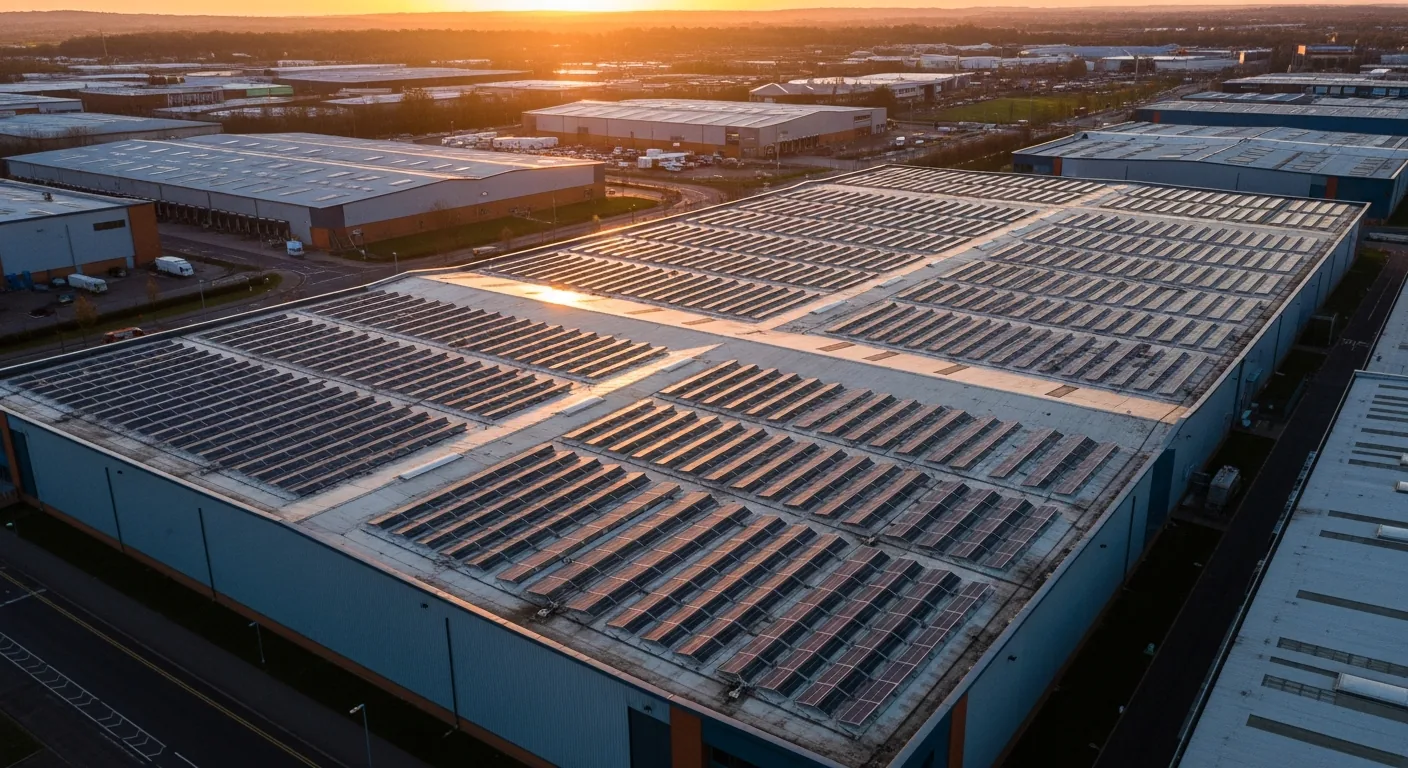
Ground and air source heat pumps are proving viable year-round in the UK, with Coefficients of Performance (COP) exceeding 4.0 in well-designed systems.
The COP Question
The single most common question we hear about heat pumps is: "Do they work in the UK winter?" The short answer is yes — but with caveats. The performance of a heat pump is measured by its Coefficient of Performance (COP): the ratio of heat output to electrical input. A COP of 4.0 means 1kWh of electricity produces 4kWh of heat. A gas boiler, by comparison, has an efficiency of 85–90%, meaning 1kWh of gas produces 0.85–0.9kWh of heat.
The challenge is that COP varies with the temperature difference between the heat source and the heat output. In summer, when the ground temperature is 12°C and the heating requirement is 35°C, a ground source heat pump (GSHP) can achieve a COP of 5.0–5.5. In winter, when the air temperature is 0°C and the heating requirement is 45°C, an air source heat pump (ASHP) may drop to a COP of 2.5–3.0.
Ground Source vs. Air Source: The Data
We have monitored 12 heat pump installations across the UK for 2+ years. The data is clear: GSHPs consistently outperform ASHPs in winter, but the installation cost is 40–50% higher.
| Metric | Ground Source | Air Source |
|---|---|---|
| Average annual COP | 4.2–4.8 | 3.0–3.5 |
| Winter COP (Jan) | 3.8–4.2 | 2.5–2.8 |
| Installation cost per kW | £1,200–£1,800 | £800–£1,200 |
| Space requirement | Borehole or trench field | External unit only |
| Payback (vs. gas) | 6–8 years | 4–6 years |
The Case Study: A Mixed-Use Development in Cambridge
We designed a GSHP system for a 200-unit residential and commercial development in Cambridge. The site had sufficient land for a borehole array (24 boreholes, 100m deep) and a peak heating demand of 800kW. The system was designed with a seasonal COP target of 4.5.
After two winters, the actual seasonal COP is 4.3. The system provides space heating and domestic hot water at an effective cost of 5.2p/kWh (electricity at 22p/kWh ÷ COP 4.3). The gas alternative would have cost 8.5p/kWh (gas at 7.5p/kWh ÷ 0.88 efficiency). The annual saving is £38,000, and the payback is 6.2 years.
The key design decision was the borehole spacing. The standard rule of thumb is 7m between boreholes, but we modelled the ground thermal response and found that 8.5m spacing was optimal for this site's load profile. The extra spacing added 15% to the drilling cost but improved the long-term COP by 0.3 — a worthwhile trade-off.
The Air Source Advantage: Retrofit
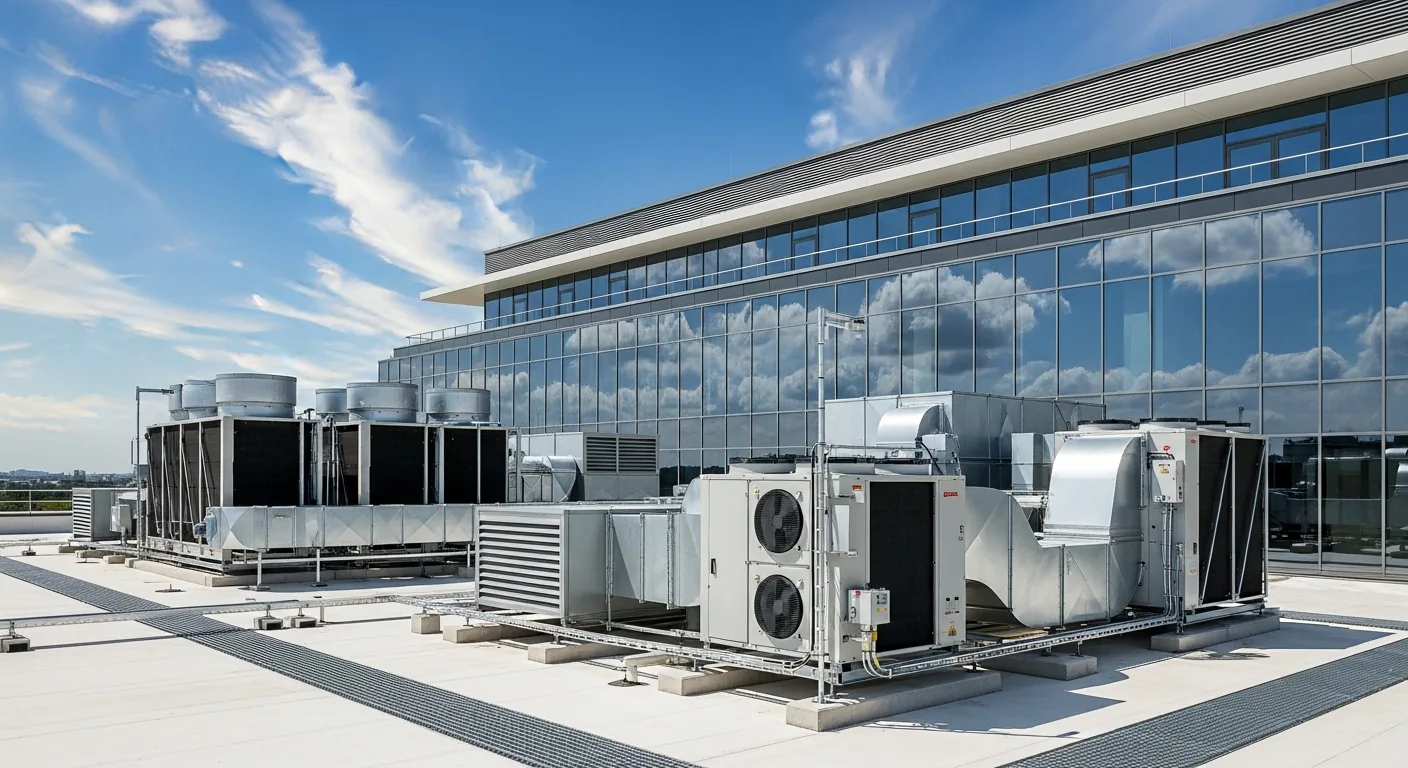
ASHPs are the go-to choice for retrofits. A GSHP requires groundworks that are often impossible on existing sites. An ASHP can be installed on a flat roof or a small external pad, with minimal disruption. The performance penalty in winter is real, but the lower installation cost and faster payback make ASHPs the default for existing buildings.
We recently retrofitted an ASHP system to a 1960s office building in Oxford. The building had a gas boiler that was reaching end-of-life, and the landlord wanted to decarbonise the heating. We installed two 100kW ASHPs on the roof, connected to the existing heating distribution system. The system achieved a seasonal COP of 3.2 in year one, with an effective heat cost of 6.9p/kWh.
Design Principles for High Performance
High COP is not about the heat pump itself — it's about the system design. The three critical factors are:
Low Flow Temperature
Design for a 35°C flow temperature, not 45°C. This requires larger radiators or underfloor heating, but it improves COP by 20–30%.
Thermal Store
A 500–1,000 litre thermal store allows the heat pump to run at optimal times, avoiding peak electricity periods and improving efficiency.
Weather Compensation
The heat pump should modulate output based on outdoor temperature. A 5°C drop in outdoor temperature should trigger a proportional increase in flow temperature.
Is a Heat Pump Right for Your Site?
Heat pumps are not the answer for every site. They work best for buildings with a steady heating demand and a distribution system that can handle low flow temperatures. If your building has old, small radiators designed for 70°C flow, a heat pump will struggle. The radiators need to be upgraded, or the heat pump needs to be oversized — both of which add cost.
For new developments, the decision is straightforward. Heat pumps are now the default for Part L compliance, and the economics are compelling. For retrofits, the decision depends on the existing heating system and the available space. We provide free feasibility studies that model the COP, the cost, and the carbon savings for your specific site.