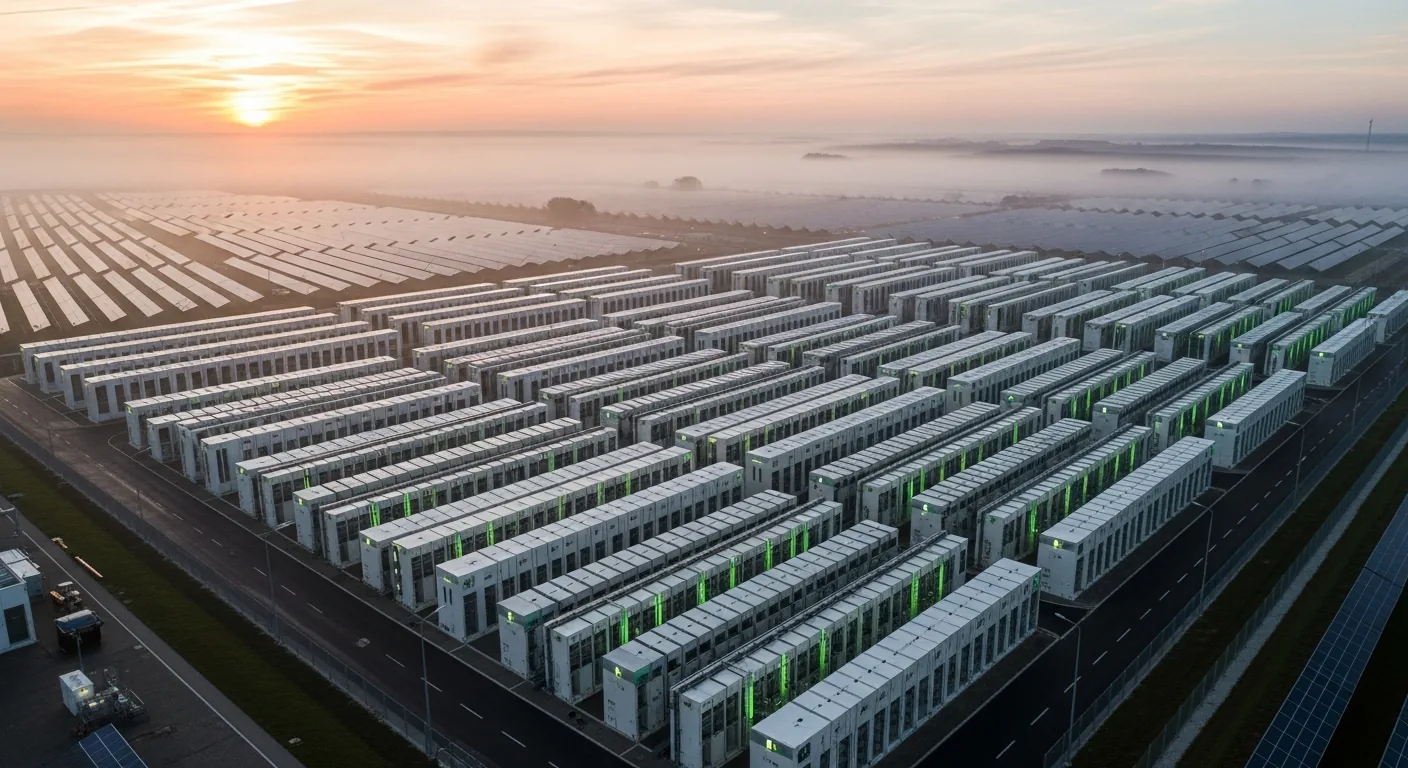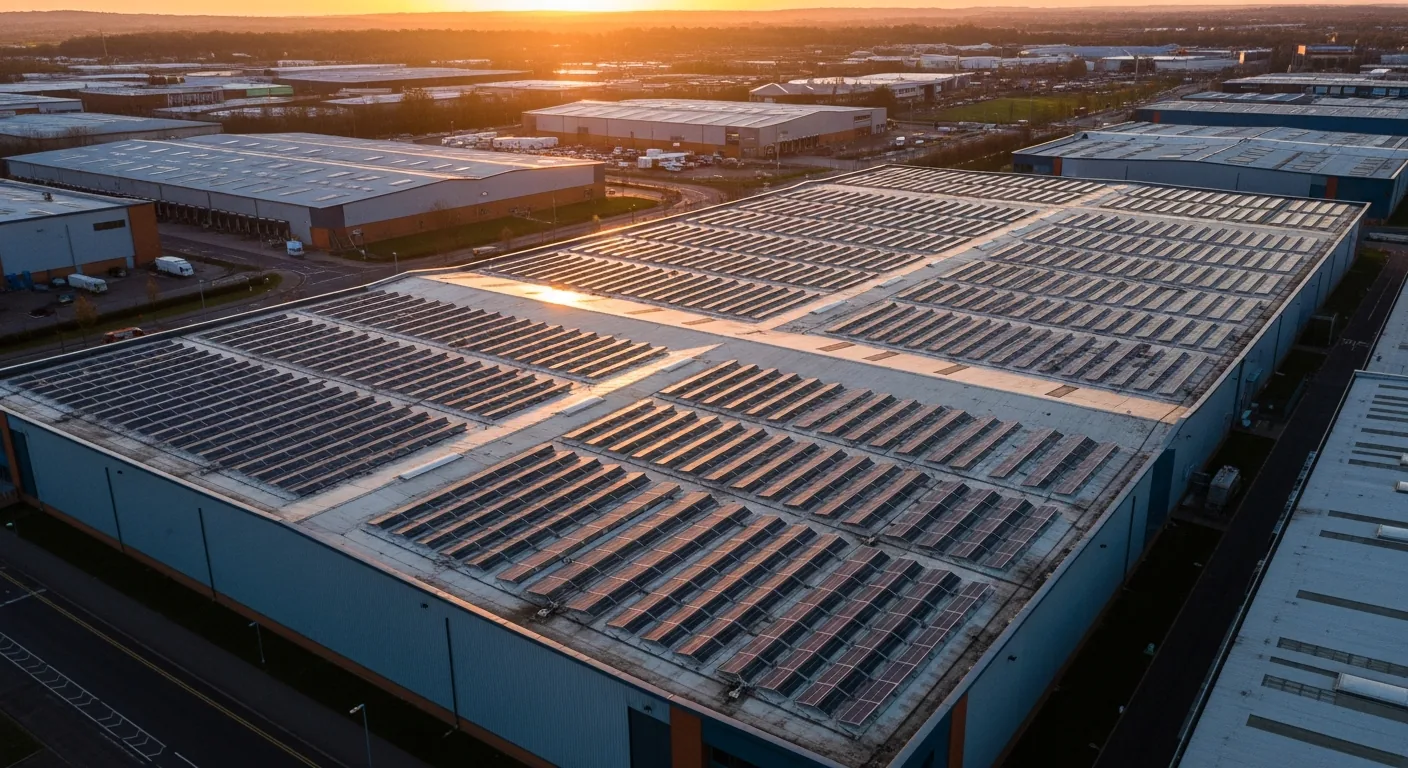
With module costs at historic lows and grid prices climbing, commercial solar PV is delivering payback periods under 5 years for the first time in the UK market. Here's what the 2026 numbers look like.
The Cost Revolution Continues
Commercial solar module prices have dropped another 18% since January 2025. A 500kWp system that cost £425,000 to install two years ago now costs £310,000 — a 27% reduction driven by oversupply in the global module market and simplified mounting systems for flat commercial roofs.
But the real story is on the revenue side. The UK's average industrial electricity price in Q2 2026 is 26.8p/kWh, with peak periods regularly exceeding 80p/kWh. A 500kWp system in the Midlands generates approximately 475,000 kWh annually. At a blended self-consumption rate of 75%, that's 356,000 kWh displaced from grid imports — worth £95,000 per year at current prices.
The Numbers That Matter
Typical System
500kWp on 3,500 sq m roof. 475,000 kWh/year generation. 75% self-consumption. 25% export at 8p/kWh.
Total Investment
£310,000 installed. Includes modules, inverters, mounting, grid connection, and commissioning. 5% contingency included.
Annual Return
£95,000 from self-consumption + £9,500 from export = £104,500/year. 3.0-year payback. 14.2% IRR over 25 years.
Self-Consumption Is the Key
The difference between a good solar project and a great one is self-consumption rate. At 100% self-consumption, every kWh generated is worth 26.8p. At 50% self-consumption, the blended value drops to 17.4p/kWh because the exported half only earns 8p/kWh.
For sites with predictable daytime loads — warehouses, manufacturing, offices — solar self-consumption rates of 70–85% are achievable without any storage. For sites with evening-heavy loads or variable consumption, pairing solar with a battery system can push self-consumption above 90%, significantly improving project economics.
Capital Allowances and Tax Relief
The UK government's 100% full expensing capital allowance means the entire £310,000 investment can be deducted from taxable profits in year one. For a company paying 25% corporation tax, that's £77,500 in tax relief — effectively reducing the net cost to £232,500 and cutting the payback period to 2.2 years.
Additionally, the Smart Export Guarantee (SEG) provides a guaranteed minimum tariff for exported energy. While rates vary by supplier, most offer 8–15p/kWh for commercial exports. For a 500kWp system exporting 25% of generation, that's £9,500–£17,800 per year in additional revenue.
Is 2026 the Right Time?
The convergence of low module costs, high grid prices, and generous tax relief makes 2026 an exceptional year for commercial solar investment. Grid prices are forecast to remain elevated through 2027–2028 as the UK transitions away from gas-fired generation. Module prices may stabilise or rise slightly as global oversupply corrects.
Our advice: if you have suitable roof space and a daytime load, model the project now. The 3-year payback with full expensing is the best we've seen in a decade. Delaying by 12 months could cost £20,000–£40,000 in missed tax relief and higher energy bills.