The Streamlined Energy and Carbon Reporting (SECR) regulations now affect over 12,000 UK companies. Getting your energy data right is no longer optional — it's a compliance requirement with real consequences.
Who Must Report?
SECR applies to all UK quoted companies, large unquoted companies, and large LLPs. "Large" means meeting two of the three criteria: more than 250 employees, turnover exceeding £36 million, or balance sheet exceeding £18 million. If your organisation qualifies, you must report energy use, carbon emissions, and intensity metrics in your annual Directors' Report.
The reporting year runs with your financial year. Data must include UK energy use from electricity, gas, and transport fuel. For companies with complex estates — multiple sites, mixed-use buildings, or leased properties — gathering accurate data is the biggest challenge.
The Onsite Generation Advantage
Here's where onsite energy generation becomes a strategic advantage for reporting. Grid-purchased electricity carries a carbon intensity of approximately 180g CO2/kWh (2026 UK grid average). Every kilowatt-hour you generate onsite with solar or wind carries zero Scope 2 emissions. For a site consuming 1,000,000 kWh annually, switching 50% to onsite solar reduces reported Scope 2 emissions by 90 tonnes CO2 — a material reduction that improves your carbon intensity metrics.
SECR Requirements
Annual energy use (kWh), Scope 1 & 2 emissions (tonnes CO2e), intensity ratio (e.g., tCO2e/£m turnover). Must include narrative on efficiency measures.
Onsite Impact
Solar = 0g CO2/kWh. CCHP = 30–40g CO2/kWh (vs 180g grid). A 50% onsite mix cuts Scope 2 by 40–60%.
Common Mistakes
Double-counting solar export, missing transport fuel, using outdated grid factors, or omitting leased assets.
Scope 3 and the Supply Chain
Large companies are increasingly required to report Scope 3 emissions — the carbon footprint of their supply chain. This means your customers may be asking for your emissions data. If you can demonstrate low-carbon operations through onsite generation, you become a more attractive supplier. We've seen several clients win major contracts specifically because they could show sub-50g CO2/kWh operational intensity.
The Path to Net Zero
The UK government has mandated net zero by 2050, with an interim target of 68% reduction by 2030. For most industrial companies, the energy transition is the single biggest lever for hitting these targets. Transportation electrification, process electrification, and heating decarbonisation all require more electricity — and that electricity must be low-carbon. Onsite generation is the fastest, most cost-effective way to ensure your increased electricity demand is met with zero-carbon supply.
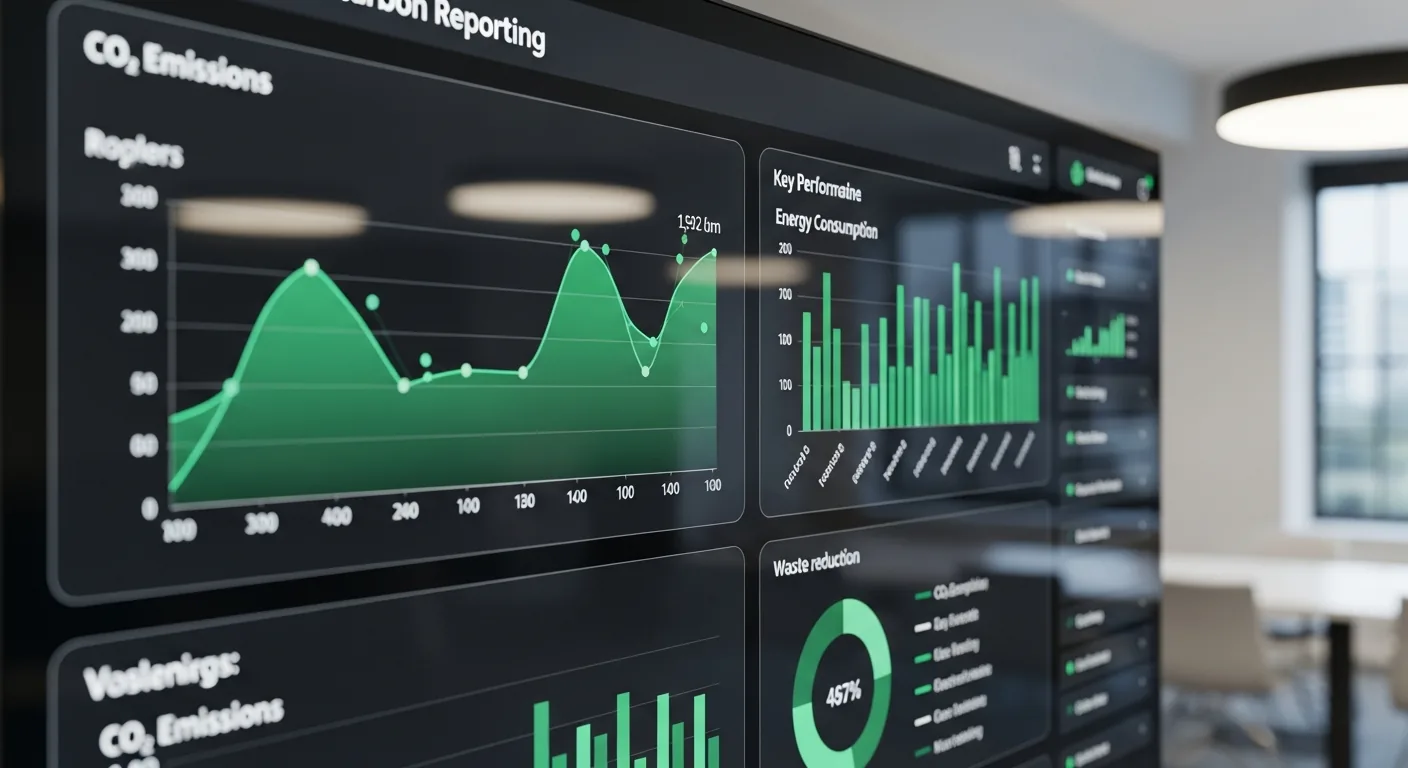
We help clients build integrated reporting systems that track generation, consumption, and emissions in real time. The data feeds directly into SECR templates, reducing reporting time from weeks to hours. More importantly, it provides the intelligence to identify the next efficiency opportunity — turning compliance from a cost centre into a strategic advantage.